
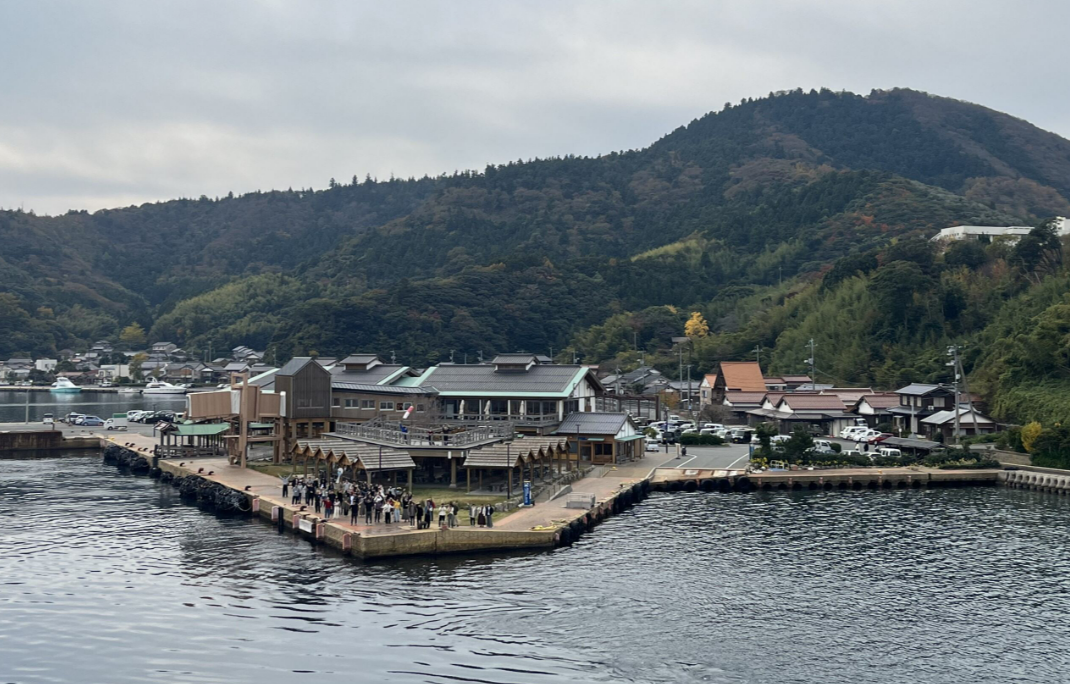
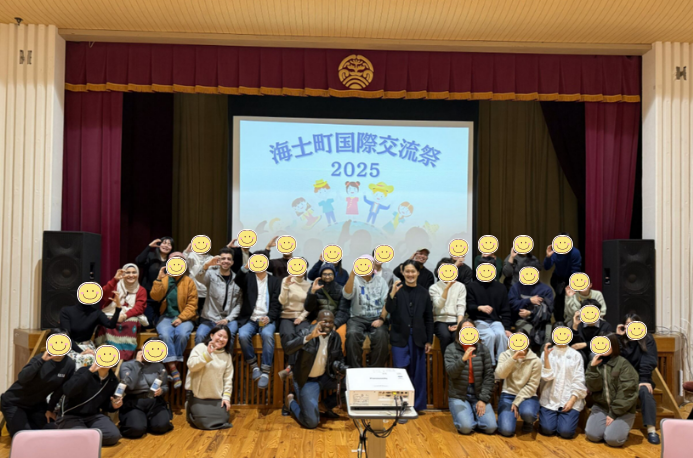
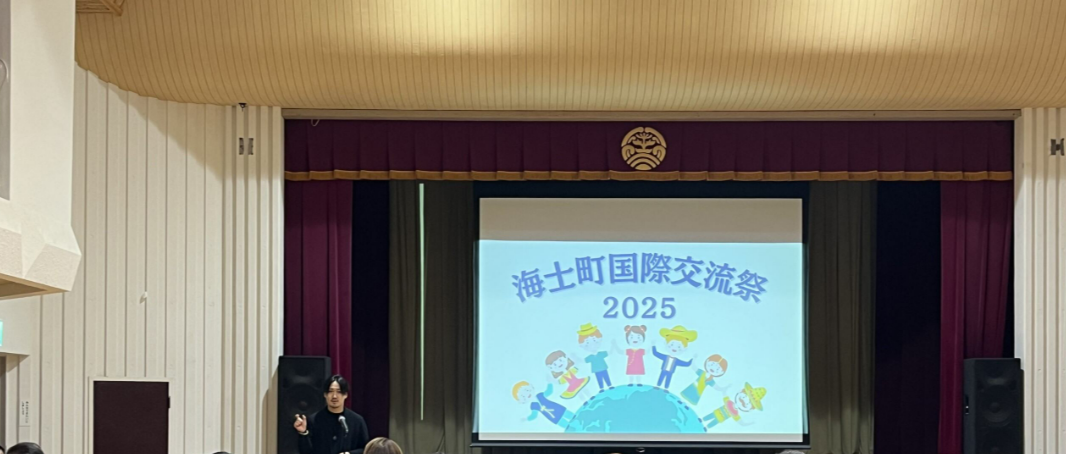
On November 23, 2025, the Ama Town International Exchange Festival 2025 was held around Ama Town Hall in Oki District, Shimane Prefecture. The festival brought together local residents, international community members, and partner organizations for a full day of dialogue, cultural exchange, and hands-on AI workshops.
Bringing together local residents, international participants, community partners, and Robo Co-op members, the festival transformed Ama Town into a vibrant space of exchange, where global perspectives met local engagement, and where culture and technology intersected.
For Robo Co-op, the festival represented a concrete step toward operationalizing the mission: expanding digital inclusion while building meaningful bridges between local communities and displaced populations.
Stories That Connect: Film & Dialogue
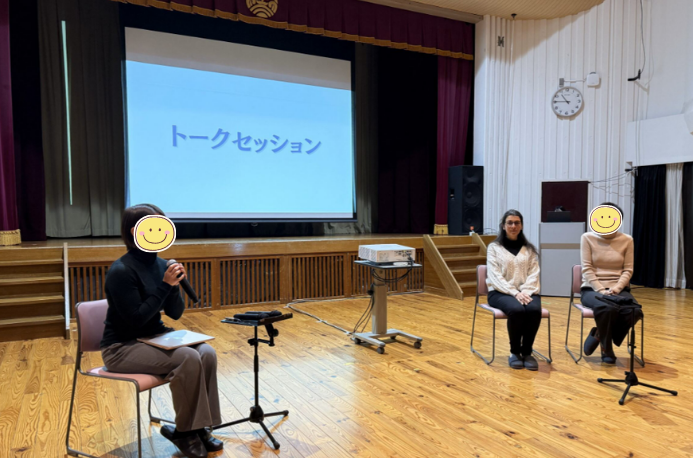
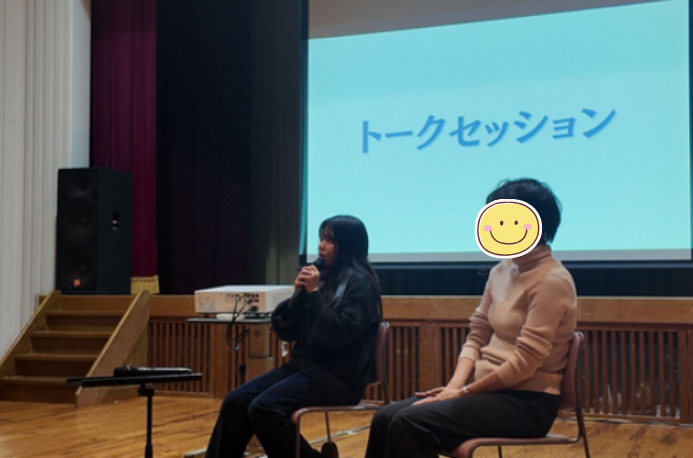
The day began at the Island Residents Hall with an opening ceremony, followed by film screenings and talk sessions addressing refugee experiences and broader social issues.
Two films were screened:
- Peace by Chocolate, a film depicting refugee entrepreneurship and resilience
- We Dare to Dream — a documentary on refugee athletes overcoming adversity
Both films portray stories of resilience, dignity, and rebuilding in the face of displacement. The screenings created a shared space for reflection among attendees, inviting participants to consider displacement, identity, resilience, and the role of communities in creating inclusive societies. Through storytelling and discussion, the program fostered deeper understanding between local residents and people from diverse cultural and migratory backgrounds. Talk sessions followed, including one led by Robo Co-op members on refugee-related themes, as well as a panel discussion exploring coexistence with animals and nature.
World Cooking Workshops: Learning Through Shared Tables
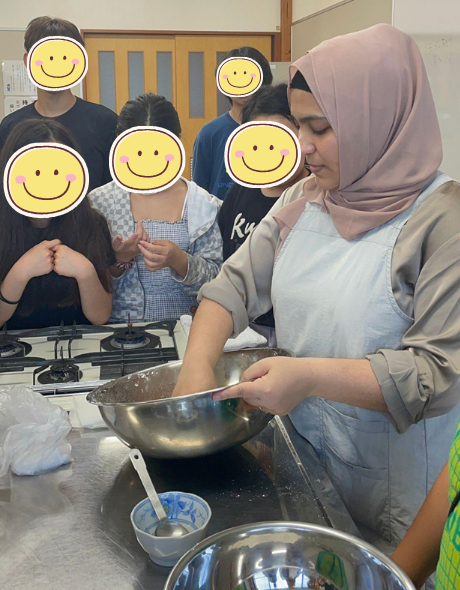
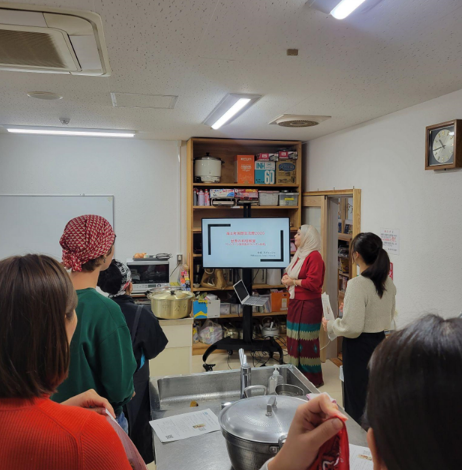
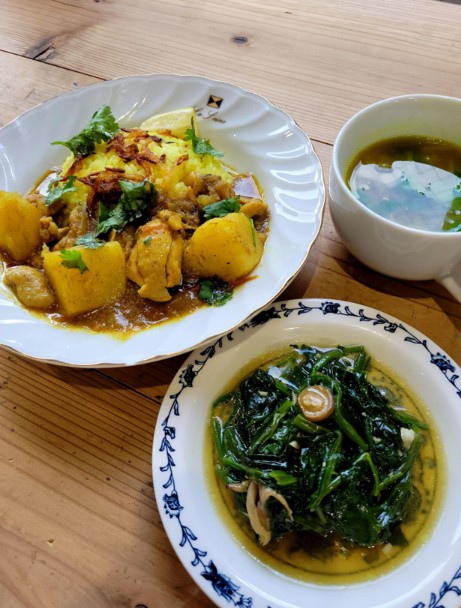
Food became a bridge for connection through interactive cooking workshops held at the Meiko Center kitchen. At the Development Center kitchen, a cooking workshop led by Ms. Khadiza quickly reached full capacity, a reflection of strong community interest. Despite being in the middle of exam season, several local high school students kindly volunteered to assist with early morning preparations.
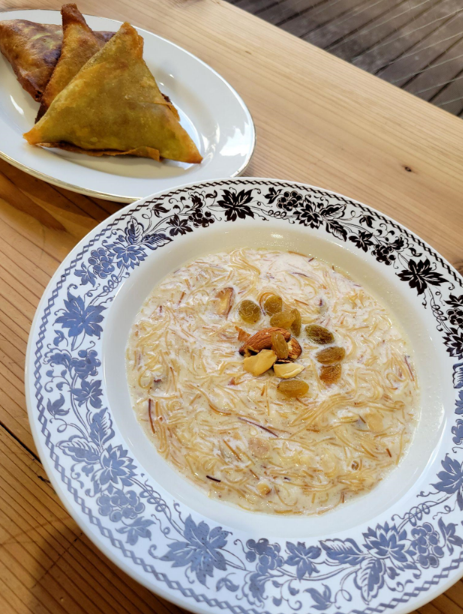
During the morning session, participants prepared chicken curry, stir-fried spinach, and lentil soup. In the afternoon session, they made semai (a traditional vermicelli dessert) and samosas.
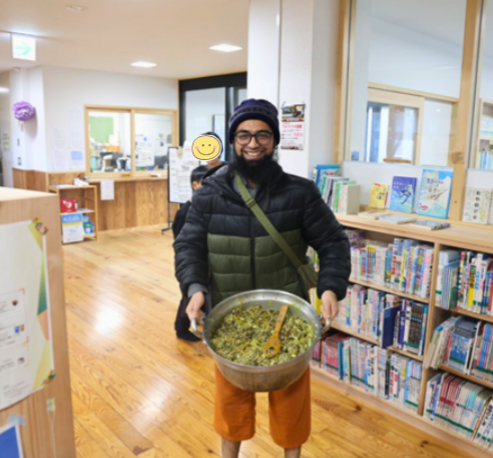
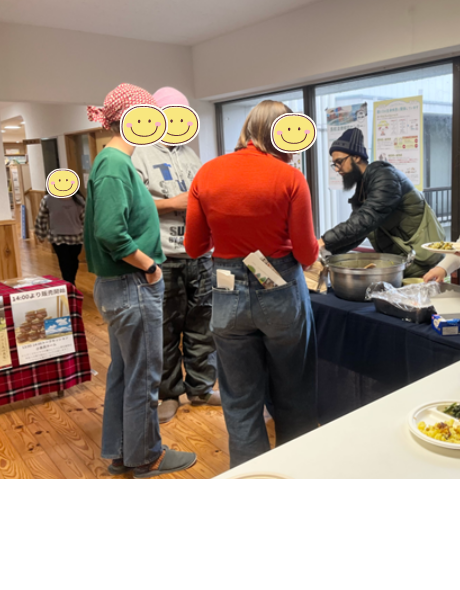
Local residents and international participants cooked side by side, learning not only recipes but also the cultural histories and lived experiences behind each dish. The workshops transformed culinary practice into a space for intercultural dialogue and empathy-building. In addition, Robo Co-op members operated food booths offering dishes from Myanmar, further expanding opportunities for cultural exchange.
A Moment of Local Learning: Squid Preparation
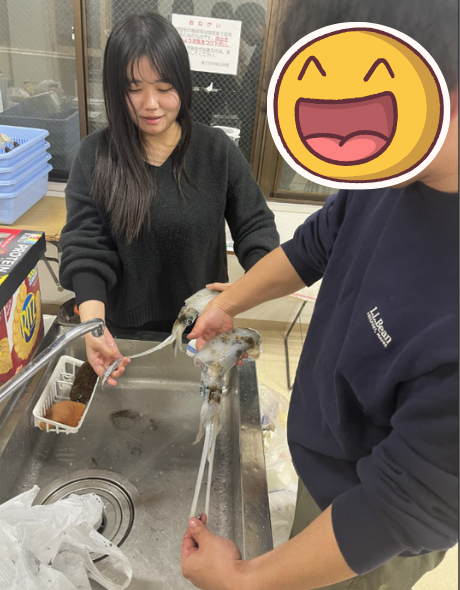
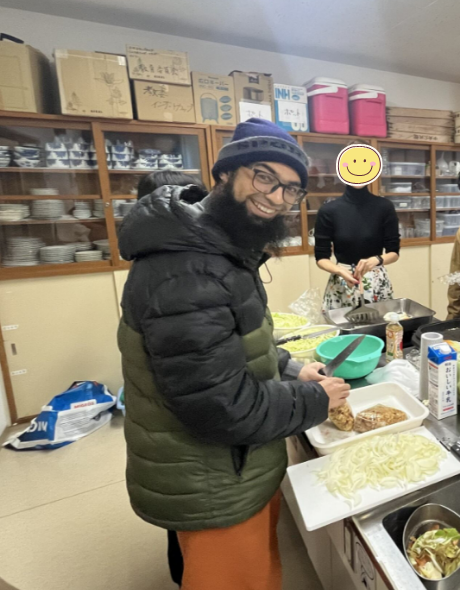
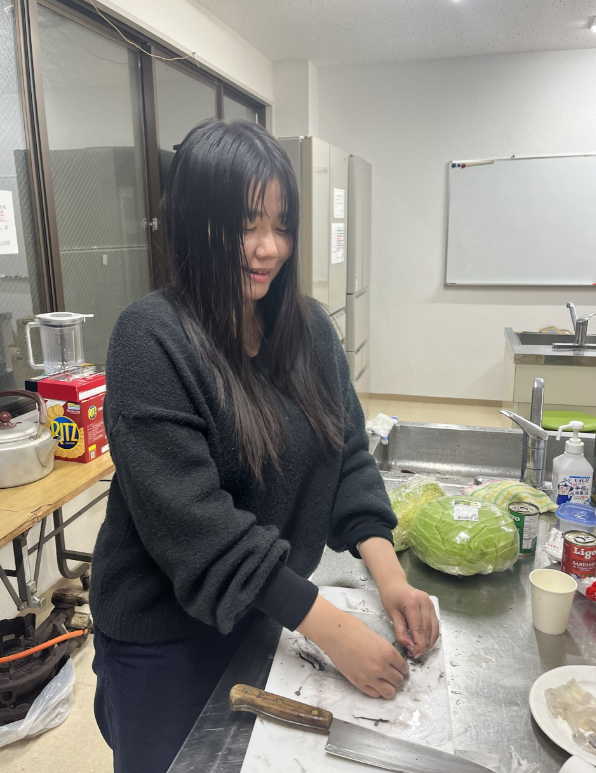
A particularly meaningful moment of exchange took place in the kitchen, where one of the Robo Co-op members was invited by a local resident to learn how to prepare freshly caught squid. Working side by side at the cutting board, they carefully cleaned the squid and sliced it under local guidance. The session went beyond a simple cooking demonstration; it represented reciprocal learning rooted in Ama Town's fishing culture — a moment that embodied the spirit of mutual respect and two-way exchange that defined the day.
Community Booths and Local Collaboration
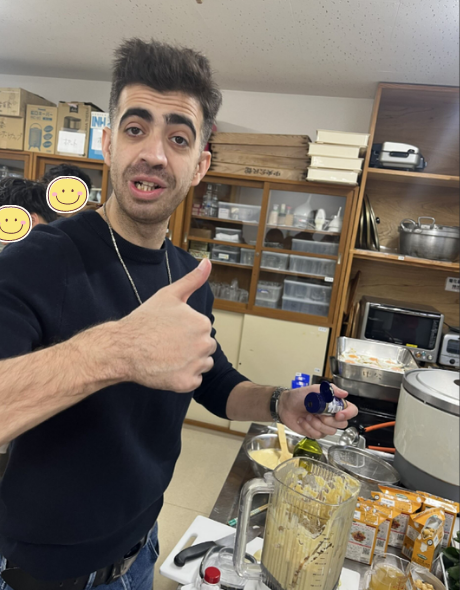
At "Shabari-ba" on the first floor of the Town Hall, local vendors and international collaborators created a lively marketplace atmosphere. A particularly popular highlight was the Indian-style masala chai and lassi, supported in collaboration with a local vendor and Robo Co-op members — the partnership resulted in over 100 cups sold. Tea Leaf Salad Rice, a beloved dish in Myanmar, and other international dishes such as Hummus were made available alongside offerings including green curry, Taiwanese castella and douhua, craft gin, mikan cider, and Kenyan honey from other vendors.
These collaborations demonstrated how international exchange can generate not only dialogue, but also tangible economic participation for local and migrant contributors alike.
AI-Powered App Development Workshop: "Become an AI Pioneer Today!"
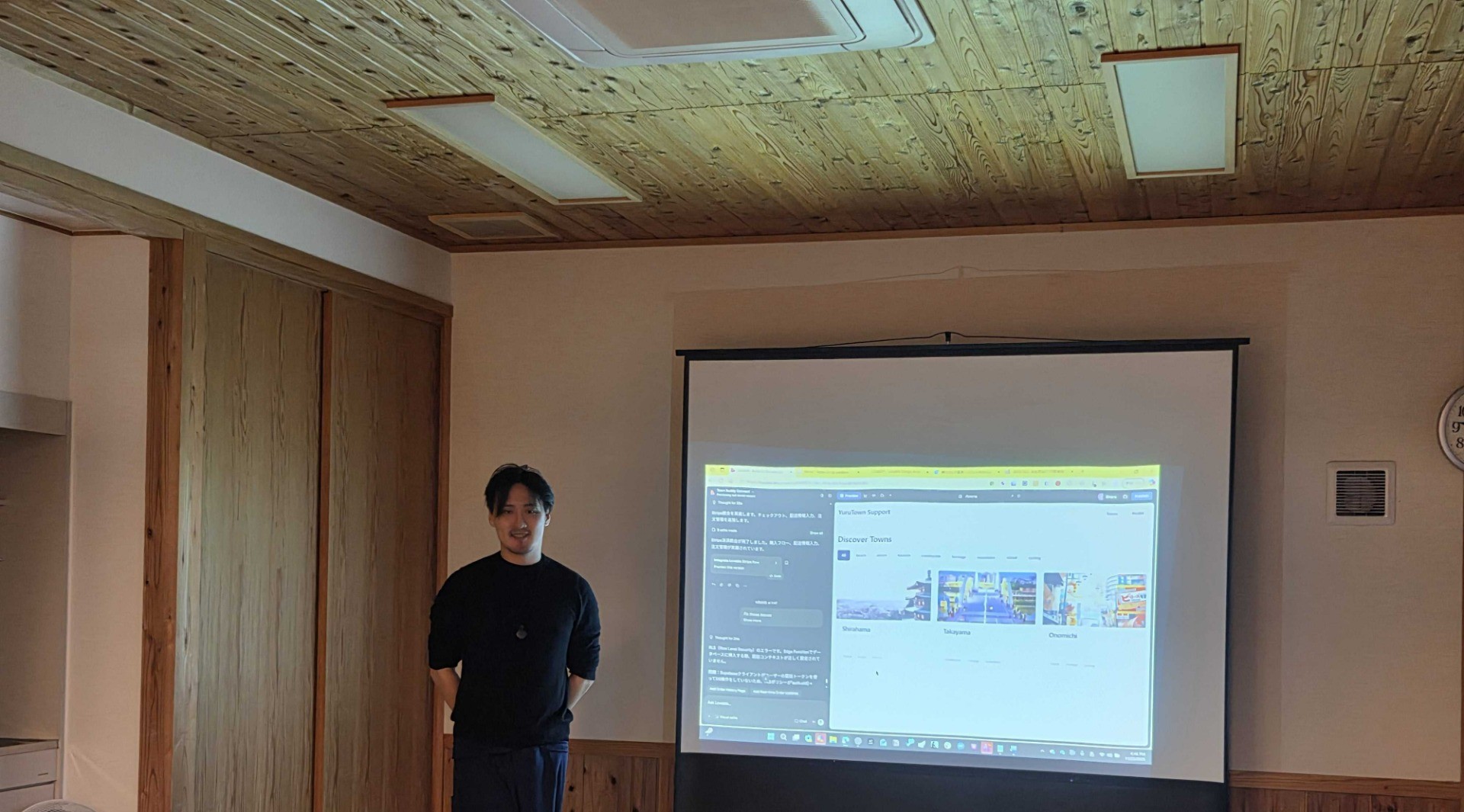
A distinctive feature of the festival was the AI-powered app development workshop held under the theme "Become an AI Pioneer Today! Create a New Game by Combining Your Favorite Games × AI!", facilitated by Robo Co-op members. Hosted in the Japanese-style room at the library, the session invited participants to explore how AI can help turn their favorite games into new ideas and simple app creations.
Designed to be accessible for local children while also welcoming parents and community members, the workshop encouraged participants to think about what makes a game enjoyable — its story, characters, and rules — and then use AI tools to creatively reimagine and design their own versions. In the morning, a father eagerly worked on building a small app for his child, while in the afternoon children filled the room, experimenting with ideas and proudly presenting their creations at the end of the session.
The workshop reflected the broader goals of the Ama Town–Robo Co-op partnership: strengthening digital skills in rural communities, creating practical opportunities to explore AI, and connecting local creativity to wider technological trends.
A Platform for Sustainable Community Development and Looking Ahead
Throughout the day, international food stalls and local vendors animated the festival grounds, fostering an atmosphere of openness, shared participation, and mutual curiosity. More than a series of activities, the festival embodied three interconnected pillars: cross-cultural understanding, refugee inclusion and global awareness, and digital capacity building for sustainable local growth.
The Ama Town International Exchange Festival 2025 was more than a cultural celebration; it was a concrete expression of the comprehensive partnership between Ama Town and Robo Co-op. By integrating cultural dialogue, culinary exchange, and AI learning into a single platform, the festival demonstrated how collaboration between local government and social innovation actors can generate meaningful, community-rooted impact.