
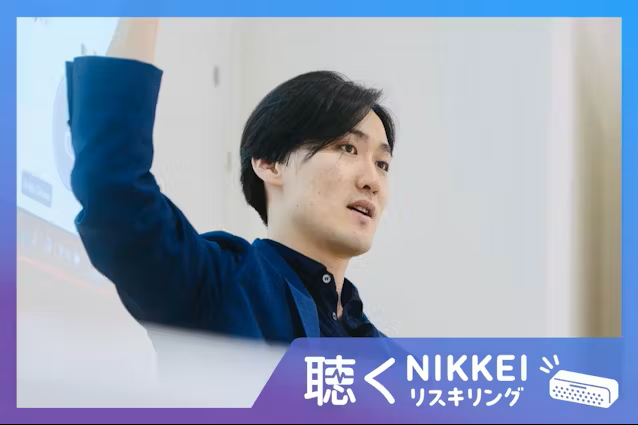
前編:シングルマザーと難民をデジタル人材に AI時代の『学びの組合』とは(日経リスキリング)
後編:シングルマザーと難民をデジタル人材に AI時代の『学びの組合』とは(日経リスキリング)
On September 18, 2025, an interview with Robo Co-op’s representative, Jintae Kim, was published as [Part 2] of the NIKKEI Reskilling podcast/article series “Kiku NIKKEI Reskilling.”
While [Part 1] focused on Kim’s personal experiences and the background behind the founding of Robo Co-op, this second part highlights the unique learning model we practice and the broader social impact of our activities.
◆Key Themes in Part 2
▫Linking Global Challenges
By 2030, the world is expected to face a shortage of 100 million digital professionals, while at the same time, more than 120 million people are living as refugees. Robo Co-op connects these two issues by providing digital education and work opportunities.
▫“Learning in Groups of Five”
To prevent dropouts and encourage continuous learning, Robo Co-op adopts a group-learning model inspired by the Grameen Bank. Participants learn together in teams of five, supporting each other while progressing from fundamentals to real project work within six months.
▫Mechanisms for Ongoing Learning
Initiatives such as the weekly “Wakuwaku Sessions” (hands-on tool exploration during work hours) ensure that learning continues even after graduation, making it easier for busy members like single mothers to keep growing their skills.
▫Expanding Global Recognition
Robo Co-op has been selected as a strategic partner by major international initiatives, including a fund supported by Google and the Asian Development Bank, further expanding the scope of our impact.
◆Read the Articles
We invite you to read both articles to learn more about how Robo Co-op is creating opportunities for diverse talent in the age of AI.